Walkers for mobility — are one of the most important means of rehabilitation and daily mobility support for people with limited mobility. They are used both during the recovery period after operations or injuries, and for constant support of the elderly, when independent walking becomes difficult or dangerous.
Today, walkers — are not just auxiliary equipment. They are a tool that restores a person's confidence in movement, reduces the risk of falls and greatly facilitates patient care. In this article, we will consider the most common questions that arise among buyers and explain how to choose the right model.
What are walkers used for?
Walkers are used in the following cases:
- after joint surgery (for example, hip or knee replacement)
- after fractures and injuries of the lower extremities
- in neurological diseases (stroke, coordination disorders)
- with age-related decrease in muscle strength and balance
- for the prevention of falls in the elderly
.jpg)
The main function of a walker is to provide additional support while walking, reduce the load on the legs and help a person move more safely. During recovery from surgery or injuries, it is very important to correctly dose the load. Without aids, the patient risks overloading the joints or losing balance.
That is why walkers perform the following functions:
- help gradually restore walking skills,
- reduce pain during movement,
- reduce the risk of repeated injuries,
- allow a person to be more independent,
- make care easier for relatives and medical staff.
For the elderly, it is also psychological support - an opportunity to remain active and not be completely dependent on outside help.
What are walkers?
Several main types of walkers are presented on the medical equipment market, as well as in our online medical equipment store Med1:
1. Walking walkers
This is a classic model without wheels. The person rearranges them step by step. They provide maximum stability and are suitable for patients with serious balance disorders or after major surgeries.
2. Walkers on wheels
Such models have front or all four wheels, which makes movement smoother. Walkers on wheels are suitable for people who have already partially restored motor activity and can control their balance independently.
3. Rollator with a seat
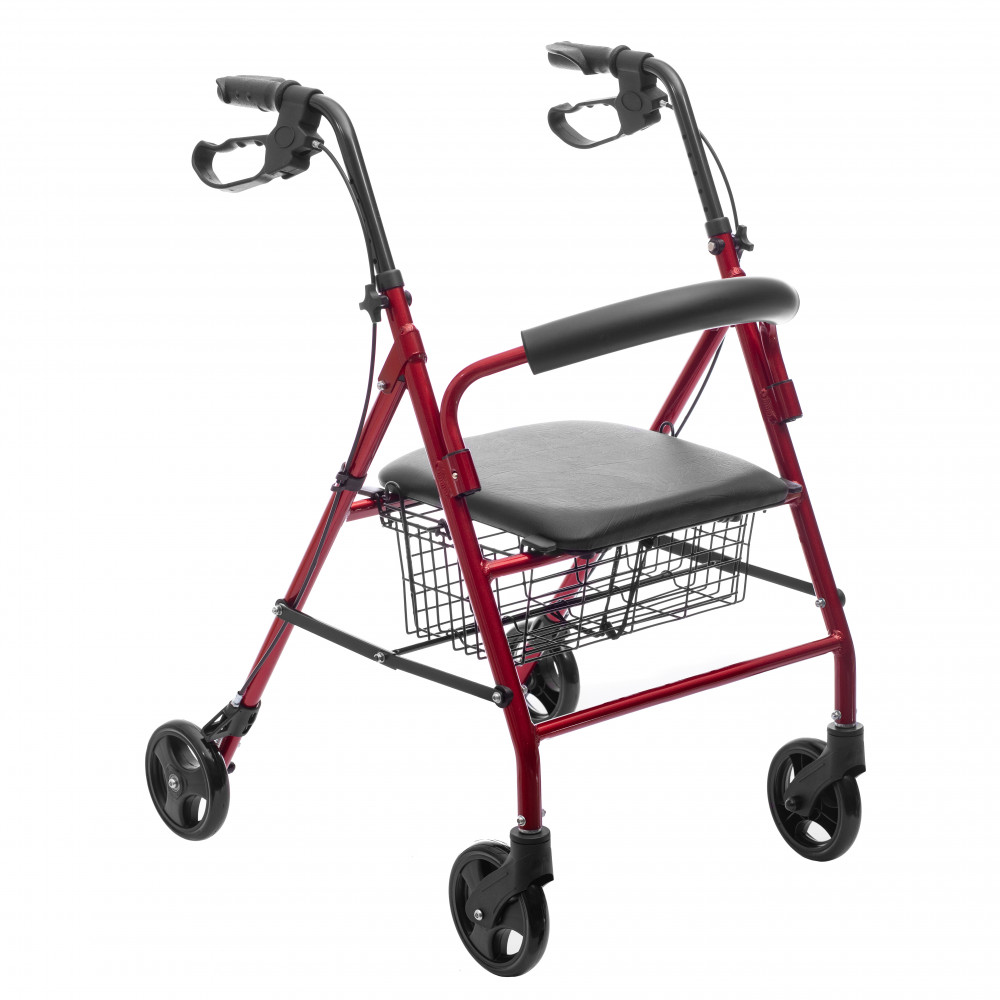
This is a more modern version of a walker. In addition to a support for walking, it has a seat for resting and often a basket for things. This is especially convenient for long walks.
4. Rollators for the disabled
This type is intended for people with more pronounced mobility limitations. They provide maximum comfort, stability and are often equipped with additional braking and height adjustment functions.
How to choose a walker?
When choosing, it is worth considering certain parameters:
- the patient's level of physical activity,
- the user's weight and height,
- conditions of use (at home or outdoors),
- the need for a seat for rest,
- the presence of wheels.
If a person is just starting to recover from surgery — it is better to choose a classic walking walker. If greater freedom of movement is needed — wheeled walkers or rollators will do.
Where to buy a walker for rehabilitation?
Today, it is most convenient to purchase such products through a specialized online medical equipment store, which offers a wide selection of models for different needs. This allows you to compare characteristics, choose the optimal height and type of design, and also get expert advice. Here you can find not only walkers, but also other patient care products, which is especially important for families caring for the elderly or patients in rehabilitation.
Frequently asked questions about walkers
Can a walker be used permanently?
Yes, if there are chronic mobility impairments or the patient's age does not allow him to move without support.
Are walkers suitable after surgery?
Yes, this is one of the most common means of rehabilitation after orthopedic surgeries.
Is there a difference between a rollator and a walker?
Yes. A rollator — This is a more modern version of a walker with wheels, often a seat and additional features.
Can you buy a walker for the street?
Yes, models with wheels or rollators are ideal for use outdoors.
Walkers — are not just a medical accessory, but an important element of restoring and maintaining the quality of life. They are necessary for both the elderly and patients during the rehabilitation period after operations or injuries. The right model helps to keep activeness, safety and independence in everyday life.
If you are planning to buy a walker for the elderly or choose a solution for rehabilitation, you should pay attention to a proven online medical equipment store, where you can find high-quality and safe models for various needs.