A toilet seat is a simple but very important aid that makes everyday life much easier for people with limited mobility or during the recovery period after illnesses and surgeries. Many people underestimate its importance until they encounter real difficulties: pain when squatting, weakness in the legs or the risk of falling.
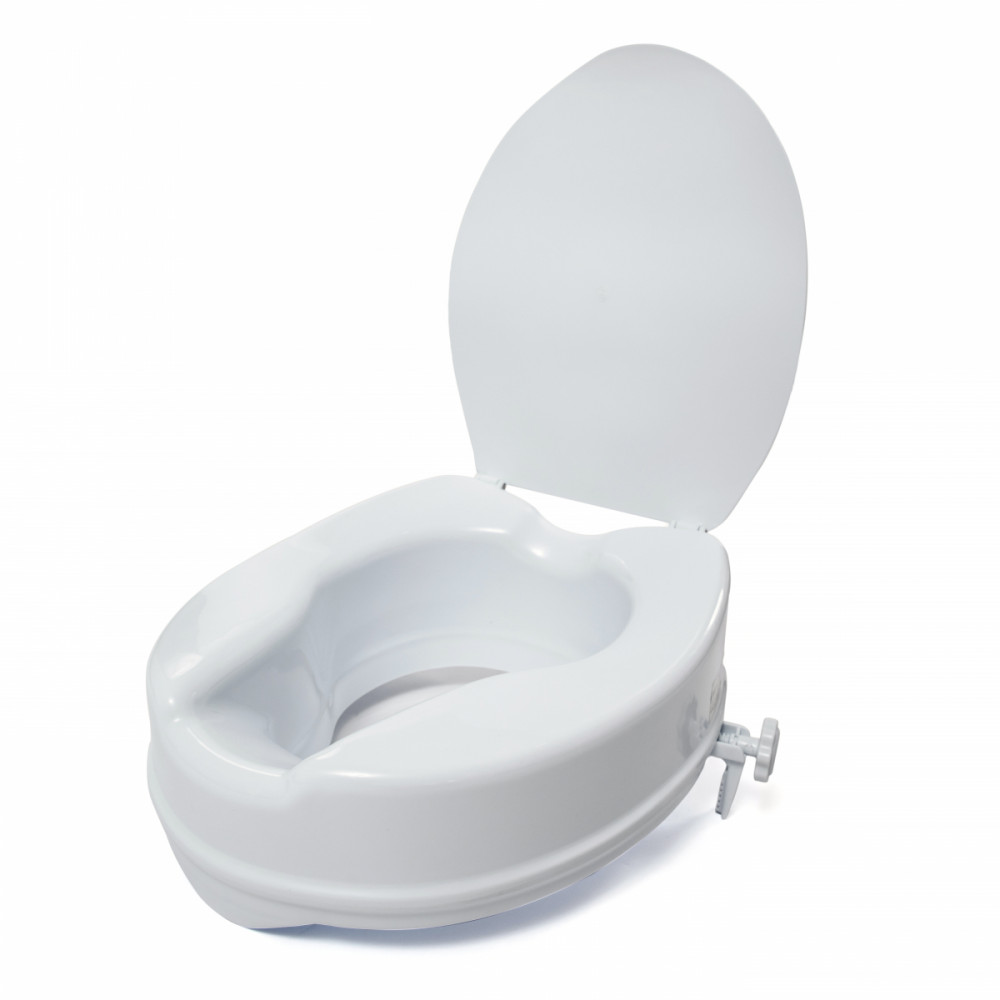
In short: A toilet seat allows you to increase the height of a standard toilet, reduce the load on the joints and make the process of using the toilet safer. This is especially relevant for the elderly, patients after surgeries and those undergoing rehabilitation. In combination with other means, such as crutches for movement or a commode chair, this accessory significantly increases the level of comfort in everyday life.
In what conditions and diseases is a toilet seat needed
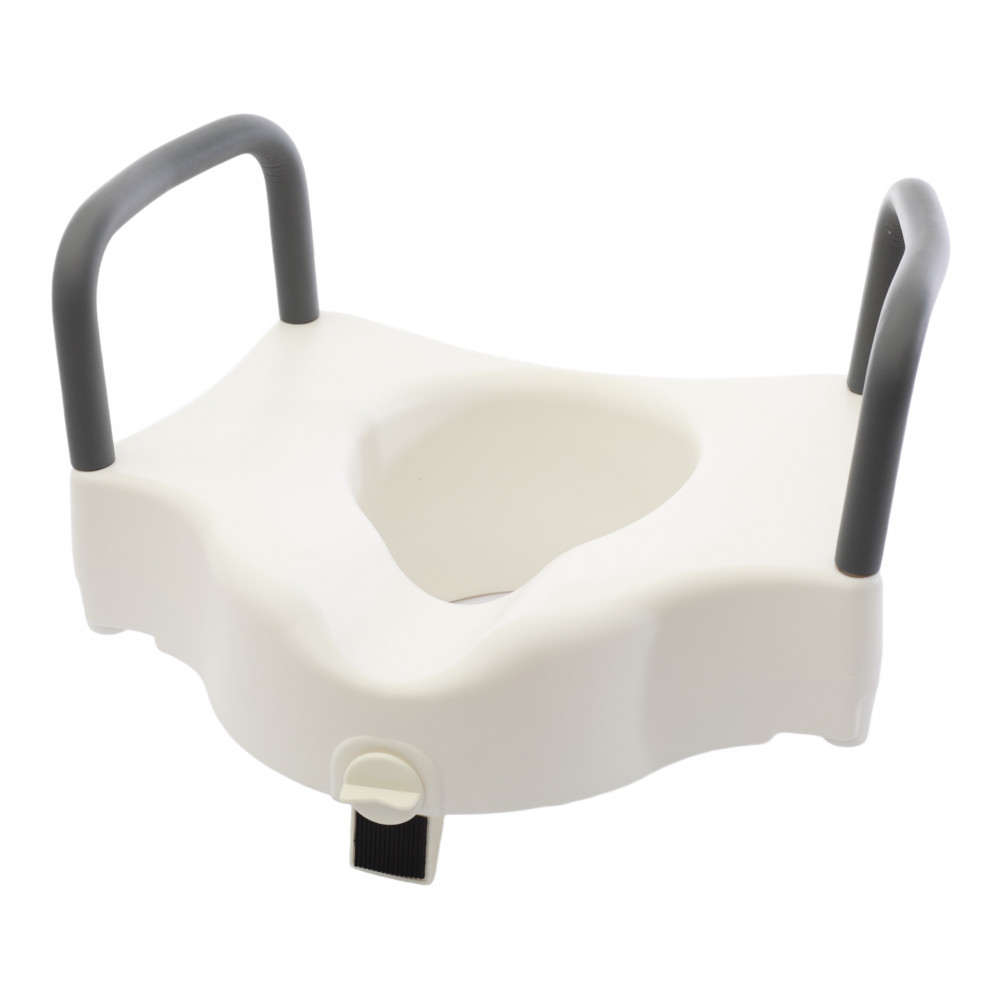
There are a number of situations when doctors directly recommend buying a toilet seat to avoid complications and speed up recovery. In such cases, a regular toilet can be inconvenient or even dangerous.
The main indications include:
- joint diseases (arthrosis, arthritis, especially hip and knee);
- condition after endoprosthetics (replacement of the hip or knee joint);
- recovery after fractures of the lower extremities;
- neurological diseases (stroke, paresis, coordination disorders);
- muscle weakness and general decreased mobility in the elderly.
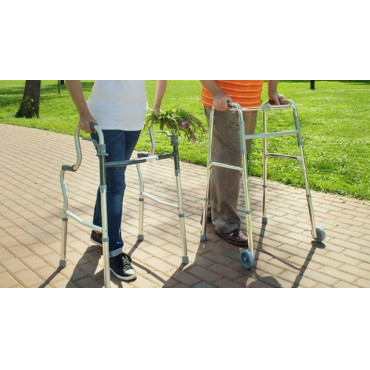
In all these cases, even the simple movement of "sitting down and standing up" can be difficult and painful. That is why a high toilet seat becomes not just a convenience, but a necessity. And if movement is additionally complicated, patients often need crutches to reduce the load on their legs and safely get to the bathroom.
Toilet attachment after surgery
It is worth highlighting situations where the use of the attachment is critically important — this is the postoperative period. This is especially true for operations on the hip joint, spine or pelvic organs.
A toilet attachment after surgery allows:
- avoid deep flexion in the joints;
- reduce pain during movements;
- reduce the risk of suture separation or complications;
- make the process of visiting the toilet independent.
In the first days after surgery, even short movements can be difficult, so crutches or other means of support are often used together with the attachment. This helps the patient adapt to life faster and regain independence.
When to choose a toilet chair
In some cases, even a nozzle does not completely solve the problem. If a person cannot get to the bathroom on their own, a toilet chair is the optimal solution.
It is used:
- in severe conditions after operations;
- with limited mobility or complete immobility;
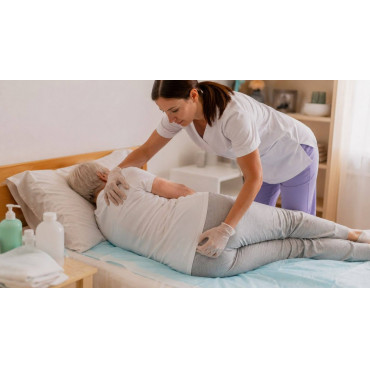
- for caring for bedridden patients;
- during intensive rehabilitation.
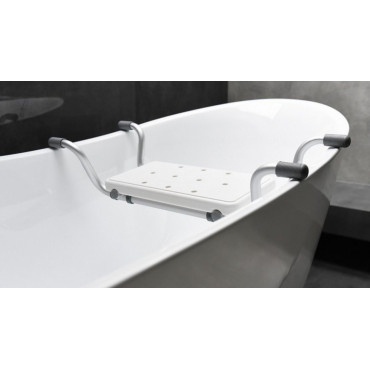
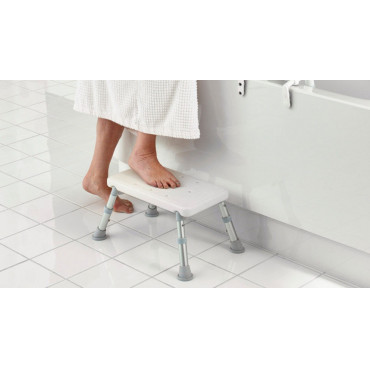
A toilet chair can be placed next to the bed, which greatly simplifies care and reduces physical strain for both the patient and the caregiver. And for hygienic procedures in the bathroom, it is worth additionally buying a shower chair to avoid the risk of falling while washing.
How to understand that you need a toilet seat
People do not always immediately realize that they need this aid. Often, discomfort is attributed to fatigue or temporary weakness.
Pay attention to the following signals:
- it is difficult for you to sit or stand up without support;
- pain appears in your knees or hips when using the toilet;
- there is a fear of falling or losing balance;
- after the operation, the doctor limited the depth of flexion of the joints.
In such cases, the decision to buy a toilet seat will significantly improve the quality of life and make daily processes safer. Combined with other assistive devices — such as crutches, a commode chair, or bathroom solutions like a shower chair — you can create the most comfortable conditions for recovery.