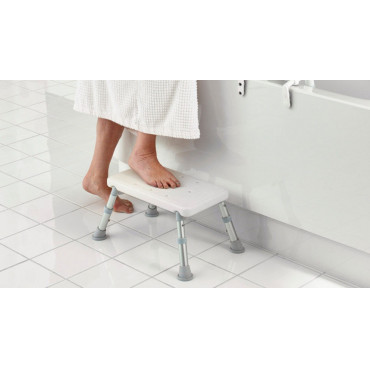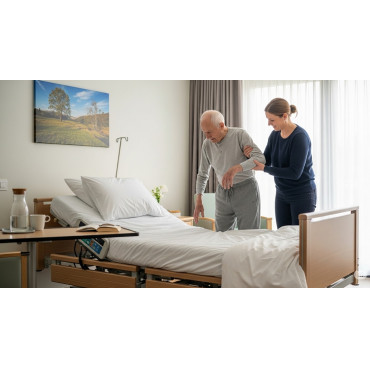
Winter is traditionally considered one of the most dangerous periods for injuries. Icy sidewalks, stairs, and entrances significantly increase the risk of falls, especially among the elderly. Such falls often result in fractures, sprains, dislocations, and a long rehabilitation period. That is why in winter it is especially important not only to know how to behave on slippery surfaces, but also to take care of support and rehabilitation means in advance - orthoses and bandages for fractures.
How to behave on icy surfaces: tips for everyone, especially for the elderly
Proper behavior in winter on icy surfaces significantly reduces the risk of injury:
-
Choose the right footwear. Shoes should have non-slip, ribbed soles, preferably without high heels.
-
Move slowly. It is better to take small steps, slightly bending your knees.
-
Keep your hands free. Don't put your hands in your pockets - this will help you maintain balance.
-
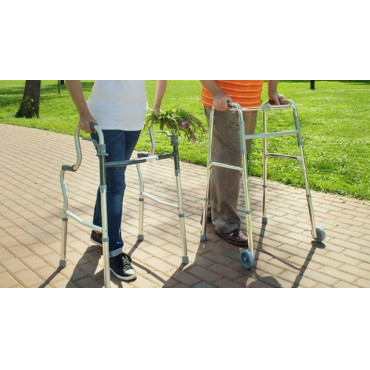
Use assistive devices. A walking cane, walker, or rollators with non-slip attachments significantly increase stability.
-
Avoid sudden movements and haste. It is better to leave the house early than to risk your health.
-
Elderly people are advised, if possible, to go outside only when necessary and to choose well-cleared routes.
Statistics of injuries during icy conditions
According to medical observations, in the winter months the number of injuries associated with falls increases by an average of 30-50%. The most frequently recorded fractures are:
-
of the radius (the so-called "typical place" fracture, which occurs when falling on an outstretched arm);
-
of the femoral neck;
-
of the ankle joint;
-
of the clavicle and humerus.
People aged 60+ are at particular risk. According to statistics, femoral neck fractures after falls on ice are one of the main reasons for the loss of independence in old age and the need for long-term rehabilitation or outside care. Even a minor fall can have serious consequences due to osteoporosis, decreased muscle strength, and impaired coordination.
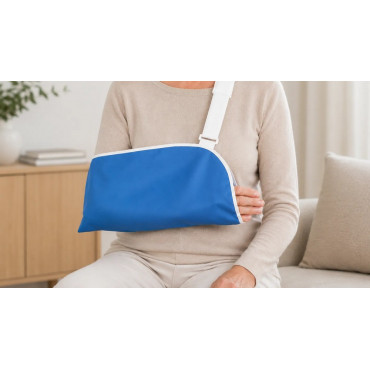
After such injuries, properly selected orthopedic support is extremely important for fixation, pain reduction, and accelerated recovery.
Which orthoses and bandages should be chosen for rehabilitation after fractures in winter?
Modern orthoses and bandages are an important part of rehabilitation after fractures and injuries, especially in winter.
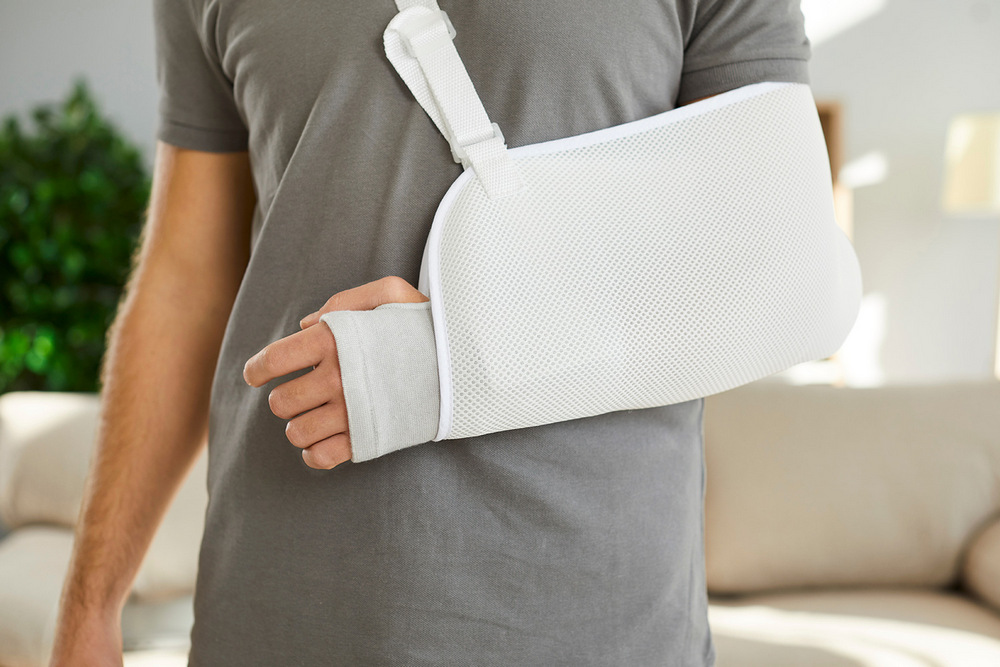
Wrist and forearm orthoses
Recommended after fractures of the radius, cracks, or sprains. They fix the joint in the correct position and reduce pain. A wrist brace also allows you to safely perform everyday activities.
Knee braces
These are useful for bruises, fractures of the patella, and sprains. They provide joint stabilization, protection from re-injury, and comfort while walking.
Ankle orthoses
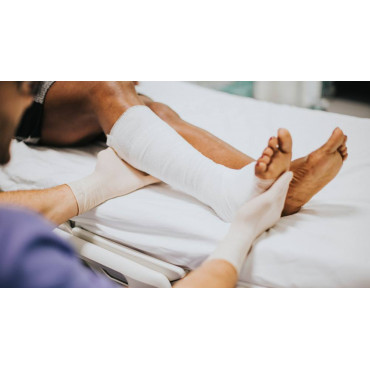
One of the most popular options after falls in winter. An ankle brace is suitable for ankle fractures, sprains and dislocations, and joint instability after removing a cast.
Hip orthoses and braces
These are especially important for the elderly after a hip fracture. They limit unwanted movements, promote proper bone fusion, and increase confidence when restoring walking.
Back support braces
Often used after falls that result in bruises or compression loads on the spine. A back brace helps reduce the load on the spine, improve posture, and reduce the risk of complications.
In winter, injuries often occur suddenly, and a properly selected orthosis or brace in the first days after the injury can significantly impact the speed and quality of recovery. For older people, this is not just a matter of comfort, but the ability to maintain mobility and independence.
Ice is a serious test for the musculoskeletal system, especially in winter and in old age. Following simple safety rules, using walking aids, and choosing orthoses and braces promptly help minimize the risk of injury and significantly facilitate rehabilitation after fractures. Taking care of your health in winter is an investment in an active and safe life all year round.