Summer heat is a serious test for people with limited mobility. While a healthy person can hide in a cool place, take a shower or drink water, bedridden patients are completely dependent on the help of loved ones or caregivers.
Overheating, dehydration, excessive sweating, diaper rash and pressure sores are just some of the problems that can arise in the summer. That is why proper care in hot weather is extremely important. In this article, we will tell you how to help a bedridden person survive the heat comfortably and which medical products for the disabled greatly facilitate daily care.
Why is heat particularly dangerous for bedridden patients?
People who are in bed for a long time often have their natural thermoregulation disrupted. Due to the lack of active movement, heat is not removed from the body as well, and constant skin contact with the mattress contributes to the accumulation of moisture.
Risk factors also include:
- advanced age;
- cardiovascular diseases;
- neurological disorders;
- stroke consequences;
- diabetes;
- insufficient fluid intake.
Without proper care, even a few hot days can lead to a deterioration in well-being and the development of complications. That is why we recommend that people who care for bedridden patients, people with disabilities and people during the rehabilitation period after injuries and operations adhere to the following recommendations.
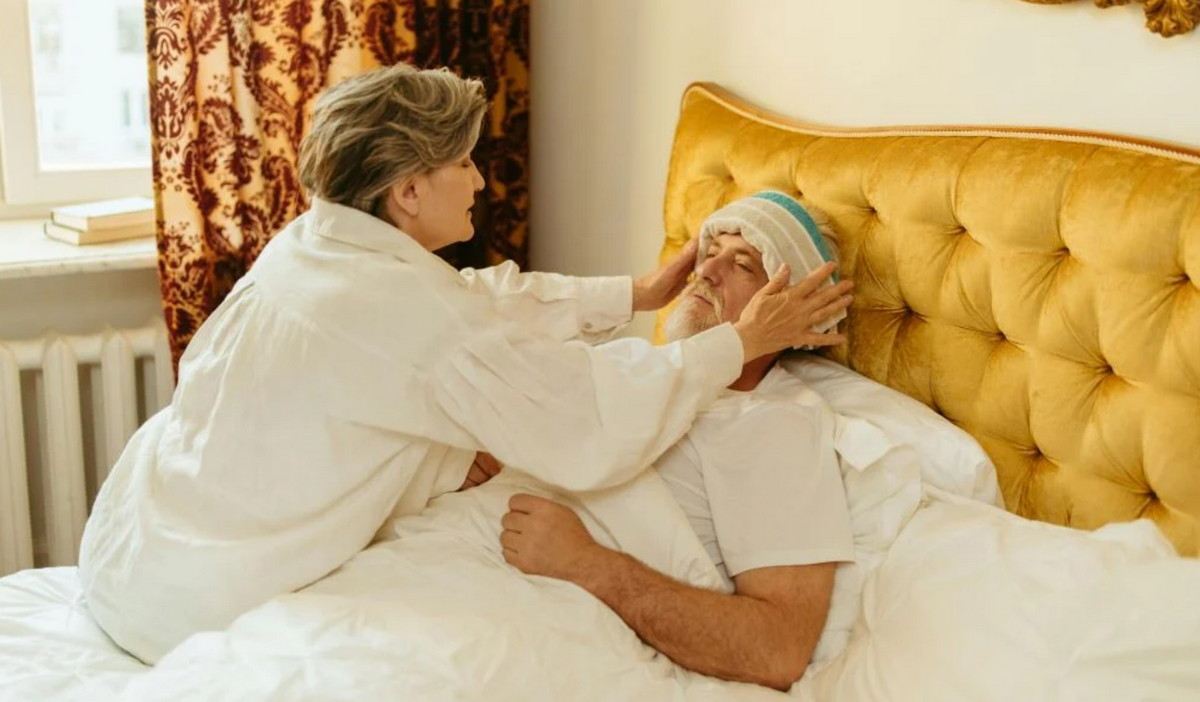
1. Maintain a comfortable temperature in the room
The optimal ambient temperature for a bedridden patient — 22-24 °C.
To avoid overheating:
- use air conditioning, but do not direct the air flow at the person;
- ventilate the room in the morning and evening;
- close curtains or blinds during the day;
- use a fan only for air circulation.
If there is no air conditioning, you can place a container with cold water or ice near the fan - this will help cool the air a little.
2. Monitor your drinking regimen
In the heat, the body quickly loses fluid. Unless your doctor has restricted your drinking, offer small sips of water every 30-60 minutes.
Signs of dehydration may include:
- dry mouth;
- dark urine;
- weakness;
- drowsiness;
- dizziness;
- low blood pressure.
You should be especially careful when caring for the elderly, as they often do not feel thirsty even with significant fluid loss.
3. Clothing and bedding should be “breathable.”
In the summer, it is better to use light cotton clothing, natural bedding, and thin blankets or sheets.
Synthetic fabrics trap heat and moisture, which increases the risk of skin irritation. It is equally important to change bedding regularly, especially if a person sweats a lot.
4. Regular hygiene helps to avoid irritation
Increased sweating creates favorable conditions for the development of bacteria and fungal infections.
In the heat, it is recommended to:
- perform daily hygiene procedures;
- wipe the body with warm water;
- dry the skin thoroughly;
- use protective creams and diaper rash products.
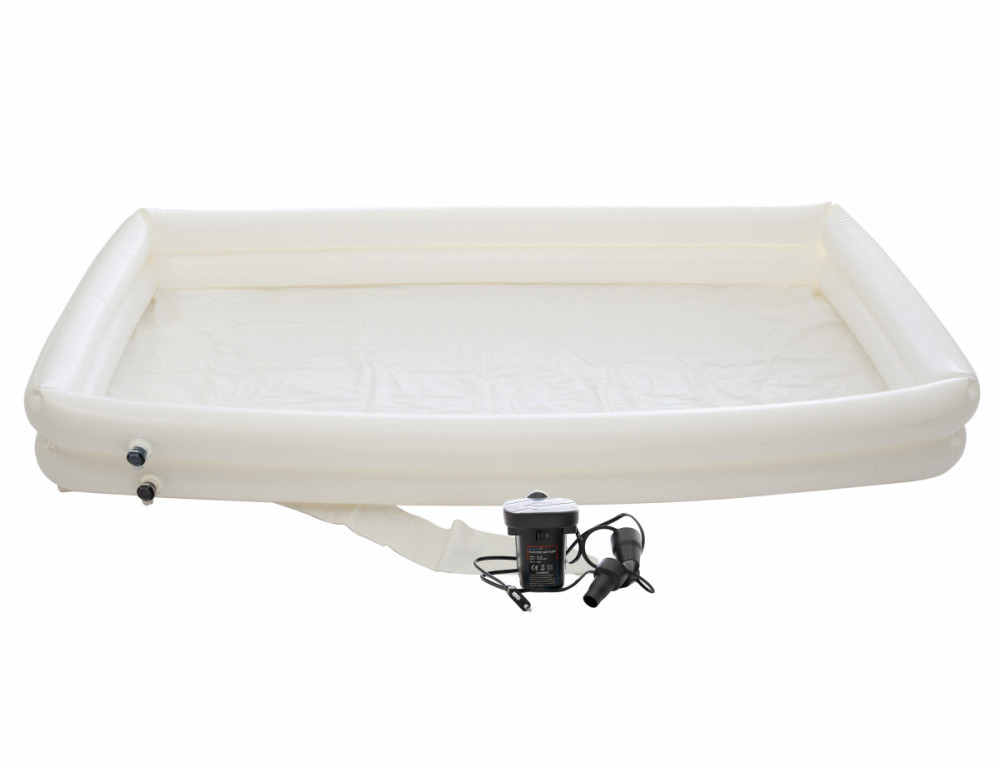
If it is not possible to transport a person to the bathroom, an inflatable bathtub for washing bedridden patients greatly facilitates care. It allows you to safely wash your body or head right in bed, without causing discomfort to the patient. Such an inflatable bathtub for the disabled really simplifies hygiene and helps to wash a bedridden person without having to move them. Suitable for use on a medical bed.
5. Prevent bedsores
In hot weather, the risk of bedsores increases significantly. To prevent bedsores on the body, you should:
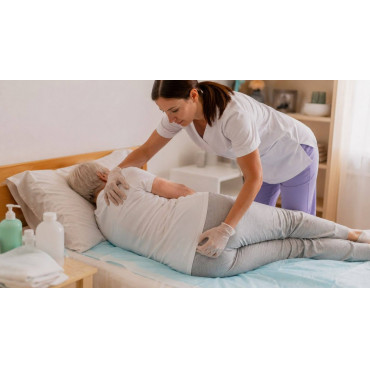
- change your body position every 2-3 hours;
- examine your skin daily;
- keep it dry;
- use special creams;
- avoid wrinkles on your bed linen.
The most effective solution is a anti-bedsore mattress. It evenly distributes pressure on the body, improves blood circulation and significantly reduces the risk of bedsores.
6. Pay attention to signs of overheating
Overheating can develop gradually. Alarming symptoms include sudden weakness, heavy sweating or, conversely, dry, hot skin, rapid pulse, headache, drowsiness, nausea, and increased body temperature.
If a person's condition worsens sharply or there are disturbances of consciousness, it is necessary to immediately call an ambulance.
7. Use special care products
High-quality rehabilitation products not only make care more comfortable, but also help prevent complications.
Especially usefuland in the summer there are:
- anti-bedsore mattresses;
- functional medical beds;
- inflatable bathtubs for washing bedridden patients;
- skin care products;
- adult diapers;
- waterproof mattress covers.
Such products greatly facilitate the work of a caregiver and improve the quality of life of a person who needs constant care. You can buy all these medical products in the MED1 online medical equipment store and be sure of their quality and functionality.
FAQ
Can you use air conditioning in a bedridden patient's room?
Yes. Air conditioning can be used if the temperature is set at a comfortable level (22-24 °C) and the cold air is not directed directly at the person.
How often should a bedridden patient be repositioned in the summer?
It is recommended to change the body position approximately every 2-3 hours. This helps improve blood circulation and reduce the risk of bedsores.
How often should hygiene procedures be performed?
In the heat, it is advisable to perform full hygiene daily, and if necessary - additionally wipe the body and change clothes after heavy sweating.
What mattress is best to use for a bedridden patient?
For people who stay in bed for a long time, it is recommended to use an anti-bedsore mattress. It helps to evenly distribute the load and reduces the risk of bedsores.
How dangerous is dehydration for bedridden patients?
Dehydration can lead to weakness, impaired cardiovascular function, deterioration of general condition and increased risk of heat stroke.