Recovery after injuries, operations or neurological diseases requires a comprehensive approach. One of the simple, affordable and effective tools for early hospital and home rehabilitation is an expander. Thanks to a variety of shapes and load levels, it helps to gradually restore muscle strength, improve joint mobility and restore coordination of movements.
What is an expander?
An expander — is a sports and rehabilitation trainer that creates resistance during exercises. The load occurs due to a spring, rubber or elastic materials. When squeezing, stretching or bending the expander, the muscles work more actively, which contributes to their strengthening and recovery.
Today, the expander for rehabilitation is widely used not only in medical centers, but also for home exercises under the supervision of a doctor or physical therapist.
What is the expander useful for?
Regular exercises with the expander can help:
- restore muscle strength after prolonged immobility;
- improve joint mobility;
- restore fine motor skills of the hands;
- improve blood circulation in the limbs;
- reduce the risk of contractures;
- restore coordination movements;
- accelerate recovery after surgeries and injuries.
Especially popular is the hand expander, which is used to train hands, fingers, forearms and improve the functionality of the upper limbs. Also useful for a person's recovery after strokes and other diseases will be rehabilitation simulators that allow you to use both the upper and lower limbs.
What types of expanders are there?
Modern rehabilitation products perform various tasks for recovery after injuries, surgeries and neurological diseases. That is why there are several types of expanders that can be used anywhere: both in the hospital and at home.
Wrist expander
The wrist expander is designed to train grip strength and develop the muscles of the hand. It is often recommended after fractures, hand surgeries, as well as for people who have had a stroke.
Expander ring
One of the most popular options is a rubber compression ring. If you need to buy an expander ring for home exercises, you should pay attention to the level of rigidity of the product and the doctor's recommendations.
Spring expander
Spring models provide more stable resistance and are suitable for gradually increasing the load. Many users seek to buy a spring expander to strengthen their hands and forearms after completing the main stage of rehabilitation.
Tubular expander
A tubular expander is an elastic tube with handles. It allows you to perform exercises for almost all muscle groups. If you need to buy a tubular expander to recover after joint surgery or musculoskeletal injuries, you should choose a model with an appropriate level of resistance.
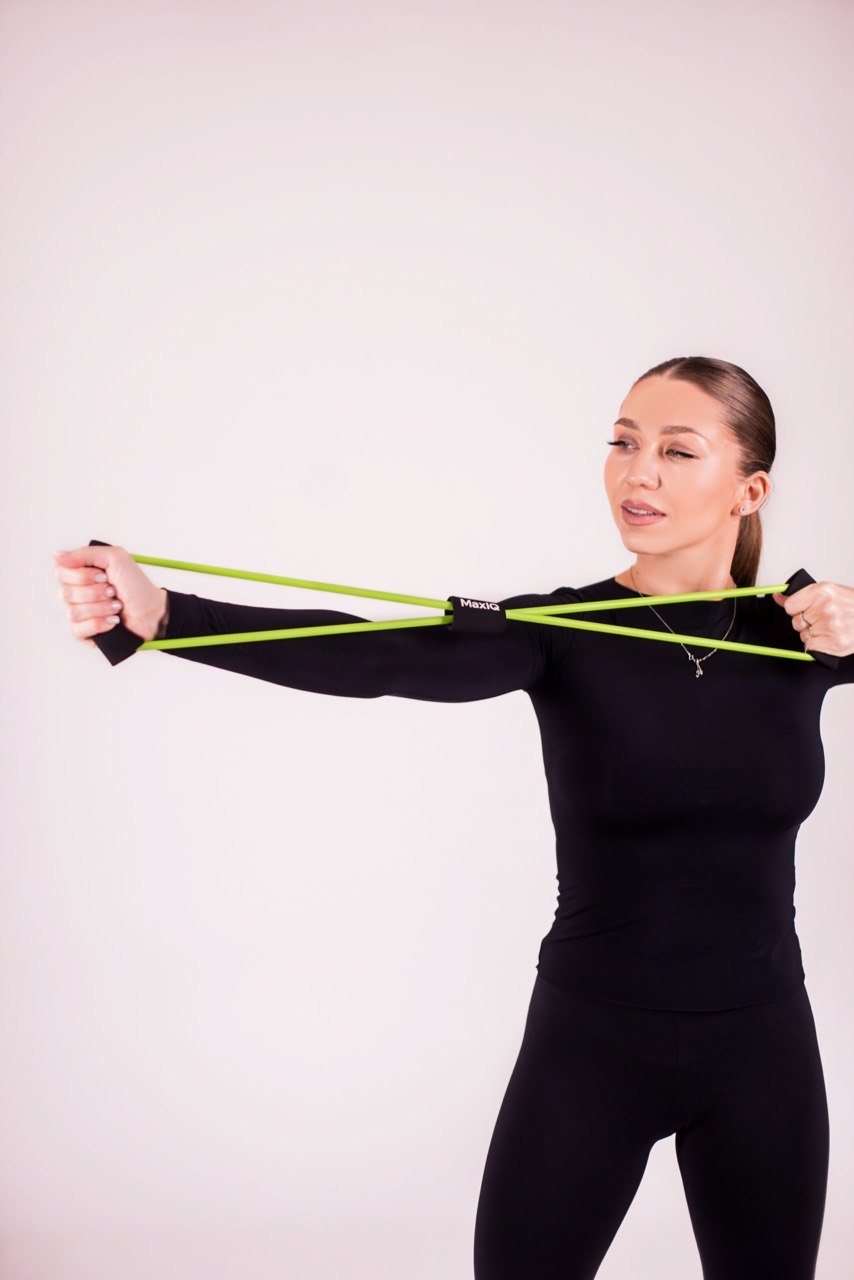
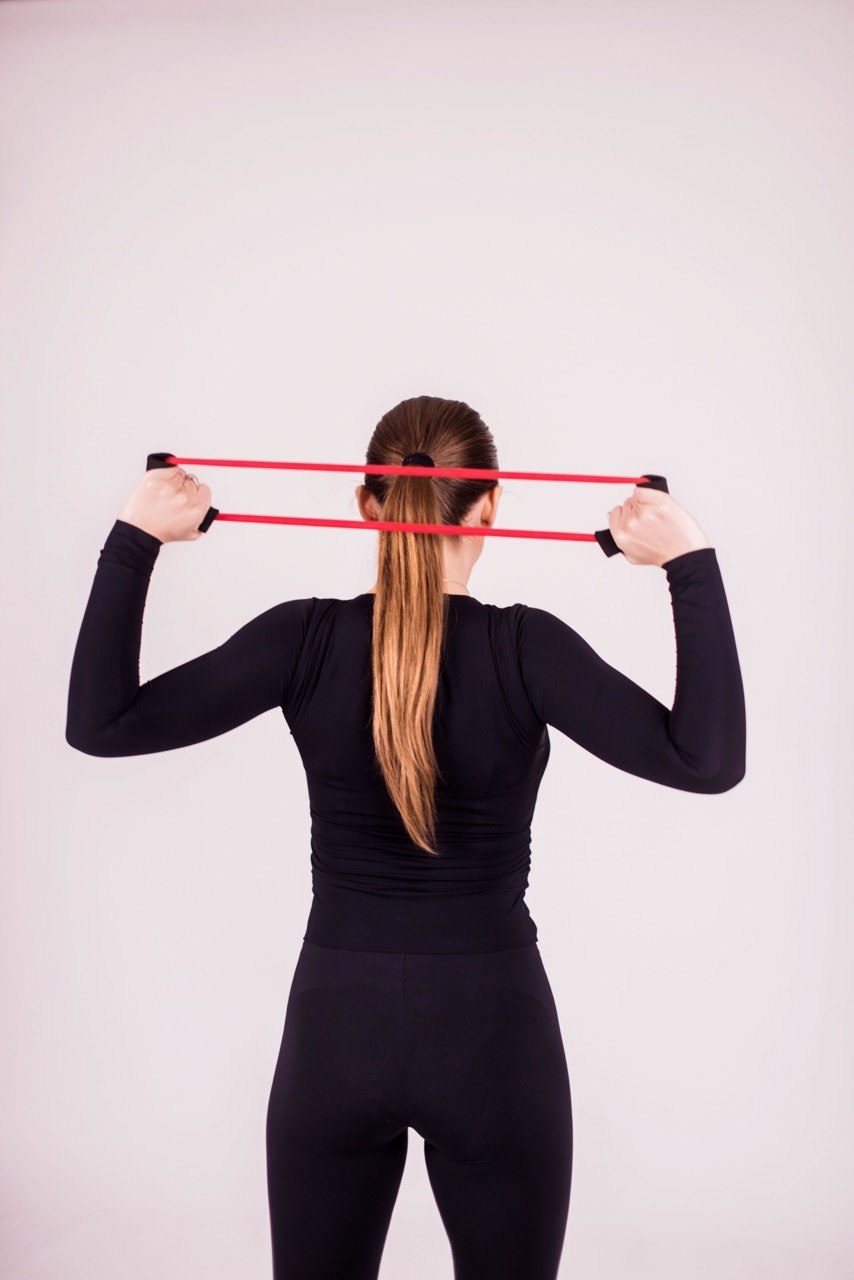
Figure eight expander
The figure eight expander has the shape of a figure 8 and is used to train the arms, shoulder girdle, pectoral muscles and back. It is convenient for performing coordination exercises and restoring mobility of the upper body. This is a good option for an expander for fitness.
After what injuries and surgeries are expanders used?
Expanders can be useful during recovery after:
- fractures of the hand, forearm and shoulder;
- dislocations and sprains of ligaments;
- surgery on the hands and joints;
- joint replacement;
- tendon injuries;
- injury to the nerves of the upper extremities;
- surgery on the spine;
- prolonged immobilization of the extremities.
Special attention should be paid to rehabilitation after a stroke. Expander after stroke helps restore hand strength, fine motor skills, coordination of movements, and hand functionality. Regular exercises help restore self-care skills and improve the patient's quality of life.
How to use an expander correctly?
To get the most out of your workouts, it is important to follow a few rules:
- Start with minimal load.
- Do the exercises slowly and without sudden movements.
- Exercise regularly, but without overexertion.
- Follow the recommendations of your doctor or physical therapist.
- If you experience pain or discomfort, stop the exercise and consult a specialist.
In the initial stages of rehabilitation, it is especially important not to overload weakened muscles and joints.
What effect do exercises with an expander have?
Systematic training allows you to achieve noticeable results:
- increasing muscle strength;
- improving joint mobility;
- restoring the function of the hand and fingers;
- improving coordination of movements;
- accelerating recovery after operations;
- improving blood circulation and tissue nutrition;
- increasing endurance and performance.
That is why many doctors and rehabilitation specialists recommend buying an expander as a supplement to a home recovery program. The main thing is to choose the right model and follow the recommendations of specialists during classes.