Fracture of the femoral neck is one of the most dangerous injuries in old age. Due to age-related decrease in bone density, even a simple fall at home can lead to a serious fracture that requires long-term treatment and rehabilitation. After discharge from the hospital, properly organized home care is of great importance, because it helps to avoid bedsores, repeated falls and other complications.
In this article, we will tell you why a fracture of the femoral neck in the elderly is so dangerous, how it is treated, how long the recovery takes and what rehabilitation products should be purchased for comfortable care at home.
About a fracture of the femoral neck
The femoral neck is the narrow part of the femur that connects its head to the body of the bone. This is the area most often injured in the elderly. The main cause of fractures is osteoporosis, a disease in which bones become less strong. Because of this, even a minor fall or an unfortunate turn can result in a fracture. The injury is most common in people over 65, especially in postmenopausal women.
A hip fracture can be suspected based on the following signs:
- sharp pain in the groin or hip joint;
- inability to lean on the leg;
- shortening of the injured limb;
- the foot is turned outward;
- the pain intensifies with any movement;
- the person cannot raise the straightened leg while lying down.
Even if the pain seems moderate, it is necessary to consult a doctor as soon as possible and have an X-ray.
Why is a hip fracture especially dangerous in the elderly?
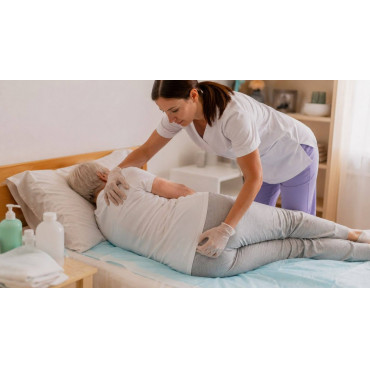
The danger lies not only in the fracture itself, but also in the lifestyle after the injury. Thus, during treatment and rehabilitation, a person is often forced to stay in bed for a long time, and prolonged immobility can lead to serious complications: bedsores, congestive pneumonia, venous thrombosis, muscle atrophy, depression.
That is why doctors recommend starting rehabilitation after a hip fracture as early as possible.
Treatment of a hip fracture
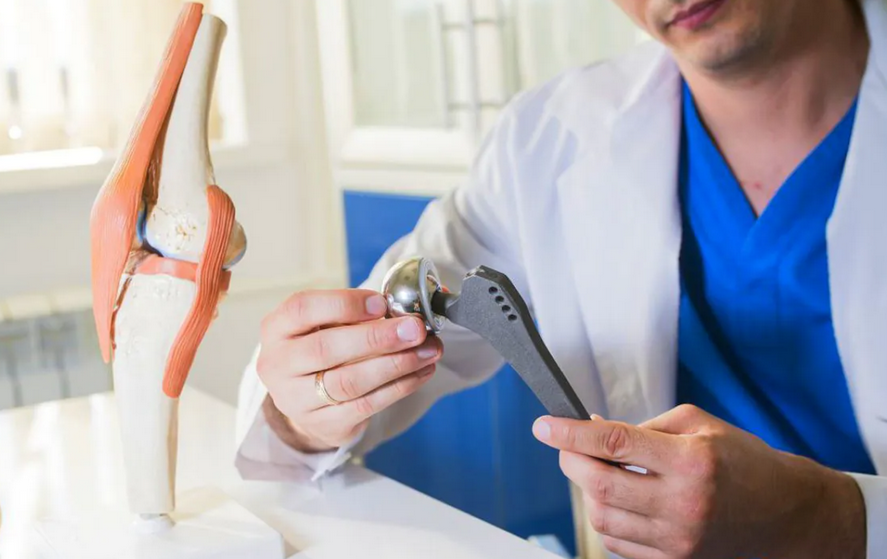
The treatment method is determined by a traumatologist after an examination. In most cases, patients are recommended surgery:
- osteosynthesis (fixation of fragments with special screws);
- hip joint replacement.
The advantage of the surgery is that a person can start moving faster, and the risk of complications is significantly reduced.
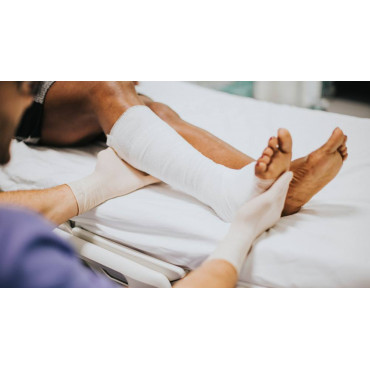
If the operation cannot be performed due to concomitant diseases or advanced age, conservative treatment is used. In this case, bedside care and prevention of complications become especially important.
How long does rehabilitation last after a hip fracture
The duration of recovery depends on:
- the patient's age;
- the type of fracture;
- the treatment performed;
- the general state of health;
- the quality of home care.
On average, active rehabilitation takes from 3 to 12 months. The sooner a person starts doing exercises and gradually getting up under the supervision of a doctor, the better the results of treatment.
Home care after a hip fracture
It is at home that the main stage of recovery takes place. Properly selected rehabilitation products help make it safer and more comfortable.
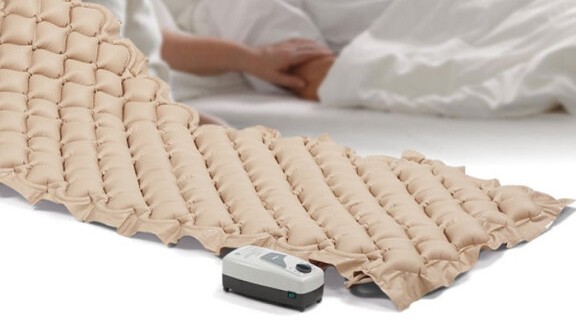
1. Anti-bedsore mattress
After surgery or conservative treatment, a person may be in bed for a long time. Therefore, doctors recommend buying an anti-bedsore mattress, which prevents the formation of bedsores, improves blood circulation, evenly distributes the load, and increases the patient's comfort.
This is one of the most important products for caring for bedridden patients. Such a mattress for bedsores can be placed on a regular bed and on a special medical bed designed for caring for bedridden patients.
2. Waterproof sheet
Due to limited mobility, it is sometimes difficult for an elderly person to quickly get to the toilet. A waterproof sheet protects the mattress and helps maintain hygiene and avoid skin irritation. It is also worth using disposable medical diapers for adults in everyday life, which are necessary when changing clothes, performing hygiene procedures, eating in bed, etc.
3. Walkers for the elderly
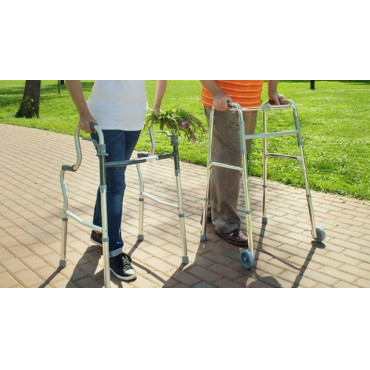
After the doctor's permission, the patient gradually begins to get up.Walkers for the movement of the elderly after a hip fracture provide:
- stability;
- safe movement;
- reducing the load on the leg;
- prevention of repeated falls.
It is walkers that are most often recommended as the first means for independent walking after a fracture.
4. Walking cane
After completing the main stage of recovery, the patient switches to a cane.
It helps:
- maintain balance;
- move more confidently;
- reduce the load on the hip joint.
A properly selected cane allows you to gradually return to your usual lifestyle.

5. Shower chair
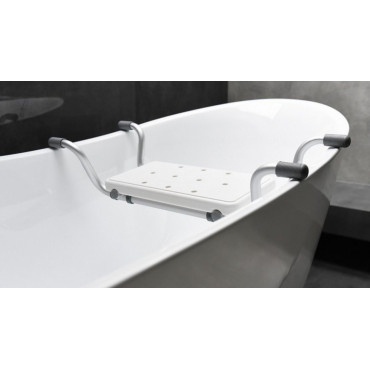
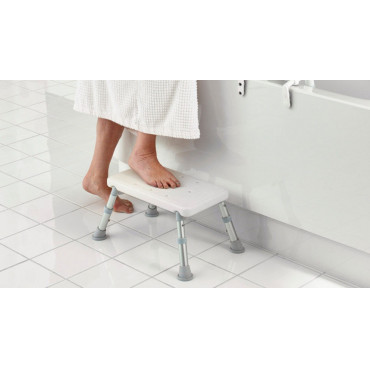
The bathroom is one of the most dangerous places after a fracture. Therefore, doctors recommend buying a shower chair, which will allow you to take a shower while sitting, reduces the risk of falling, and makes hygiene procedures more comfortable.
6. Bathroom and toilet grab bars
Special grab bars help:
- get up safely;
- transfer;
- use the toilet independently;
- avoid re-injury.
7. Crutches
At certain stages of rehabilitation, a doctor may recommend crutches instead of or together with a walker. They help to dose the damaged leg and gradually restore walking skills.
Why rehabilitation after a hip fracture is so important
Successful recovery depends not only on the operation.
Daily exercises, physical therapy, proper nutrition, help from loved ones and quality rehabilitation products help:
- restore muscle strength faster;
- restore mobility;
- avoid complications;
- increase the independence of an elderly person.
A hip fracture in the elderly requires a comprehensive approach. Timely treatment, professional rehabilitation and properly organized home care significantly improve the prognosis for recovery.
Frequently asked questions
Can an elderly person walk after a hip fracture?
Yes. With timely treatment, proper rehabilitation and regular exercise, many patients return to walking independently or use a cane or walker.
What mattress is needed after a hip fracture?
For bedridden patients, it is recommended to use an anti-decubitus mattress, which reduces the risk of pressure sores and improves comfort.
When can you start walking after a fracture?
This depends on the type of treatment. After surgery, the first attempts to get up may be allowed after a few days under the supervision of a doctor. With conservative treatment, the timing is determined individually.