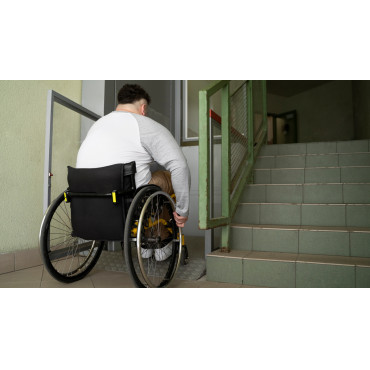
Parkinson’s disease is a chronic neurological condition that gradually affects mobility, coordination, and a person’s ability to perform daily tasks.
Over time, it becomes increasingly difficult for an affected individual to get dressed, shower, prepare meals, or move around their home independently. Properly organized home care for someone with Parkinson’s disease helps reduce the risk of falls and maintain their quality of life.
Symptoms of Parkinson’s Disease
Parkinson’s disease occurs due to the gradual loss of nerve cells in the brain that produce dopamine. Since this substance plays a key role in regulating movement, a deficiency leads to characteristic motor impairments.
The condition most commonly develops in older adults, though it can also affect middle-aged individuals.
Key symptoms of Parkinson’s disease include:
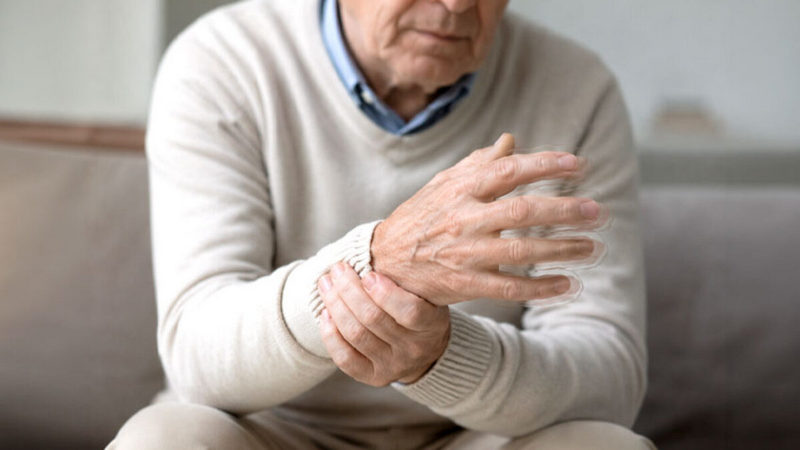
- tremor — involuntary shaking of the hands, legs, or other parts of the body, particularly when at rest;
- slowness of movement — difficulty getting up, dressing, eating, or performing routine activities;
- muscle stiffness — tension in the muscles, which may be accompanied by pain;
- gait and balance issues — small steps, shuffling gait, difficulty when turning;
- sleep disturbances, anxiety, signs of depression, and memory problems.
Symptoms and the rate of disease progression vary from person to person. Not all patients experience tremors, and cognitive abilities may remain intact for a long time.
Stages of Parkinson’s Disease
The five-stage Hoehn and Yahr scale is often used to describe motor impairments. It helps assess the extent to which the disease affects a person’s mobility and independence.
Stage One. Symptoms are usually mild and appear primarily on one side of the body. The individual is generally able to manage daily activities independently.
Stage Two. Motor impairments become more noticeable and affect both sides of the body. Difficulties with walking, dressing, and performing household tasks may arise, but balance is typically still maintained.
Stage Three. Balance is impaired, and the risk of falls increases. While the individual may still be independent, they increasingly require assistance.
Stage Four. Mobility is significantly restricted. The person may develop a need for mobility aids, such as a walker or a wheelchair.
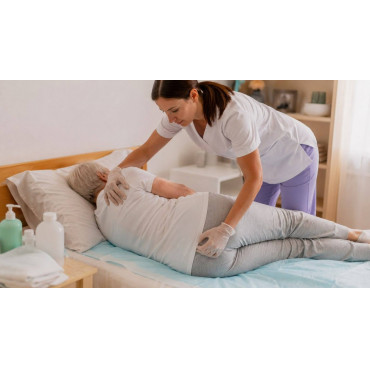
Stage Five. The person loses the ability to stand or walk independently and requires constant assistance—for example, with feeding, personal hygiene, and changing body position.
These stages do not dictate the exact progression of the disease for every individual patient. The level of care required depends on specific symptoms, the effectiveness of treatment, and the presence of co-existing medical conditions.
How to organize care for someone with Parkinson’s disease at home?
Create a safe environment
Due to impaired balance, the patient may fall even while simply moving around the home. Remove electrical cords, rugs, and other objects that could easily cause someone to trip. Ensure adequate lighting throughout the home; consider installing motion-sensor lights in hallways and restrooms. If necessary, install grab bars in the bathroom—especially near the toilet, bathtub, or shower.
Assist with mobility
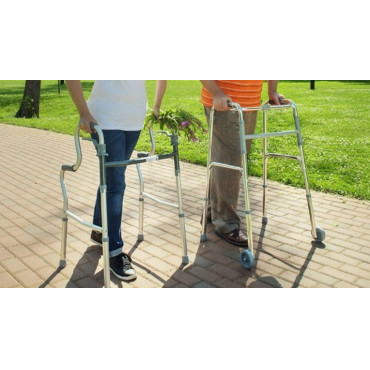
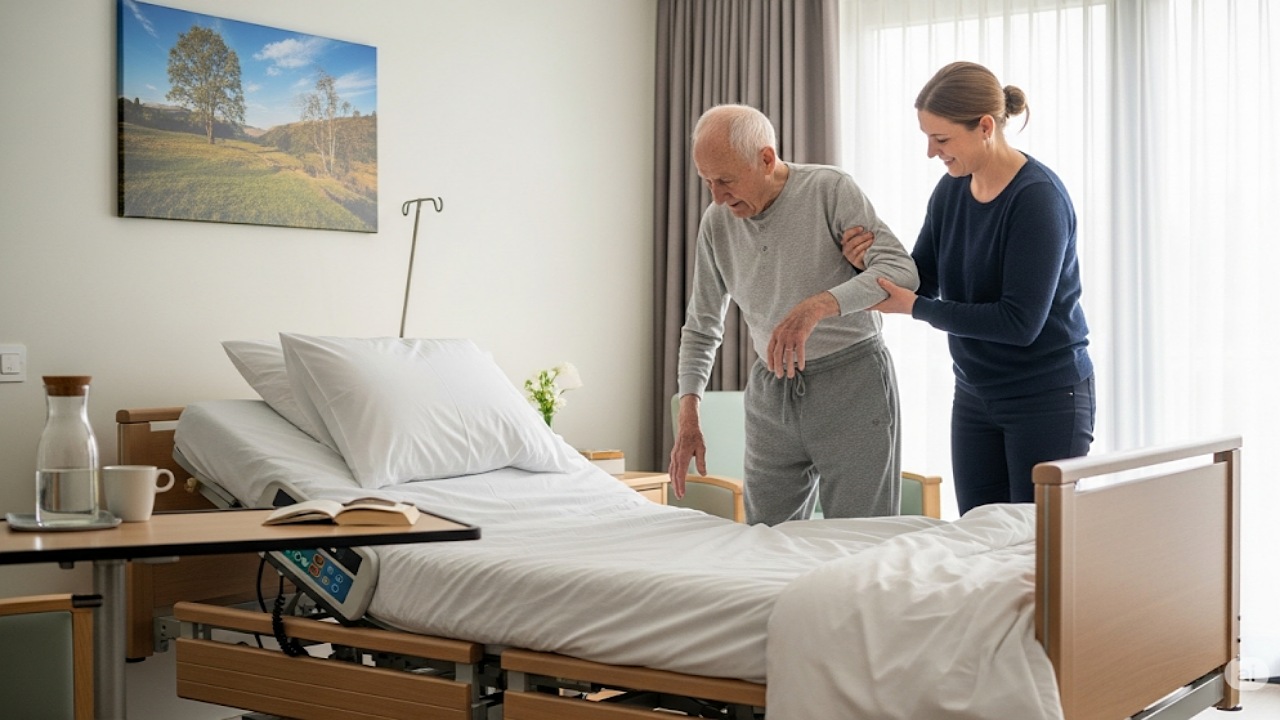
Do not rush when walking with the patient, and never pull them by their arms. Allow ample time for them to stand up, begin moving, and turn around. If a person has difficulty maintaining their balance, a doctor may recommend using a walker or a cane.
Ensure Safe Hygiene Practices
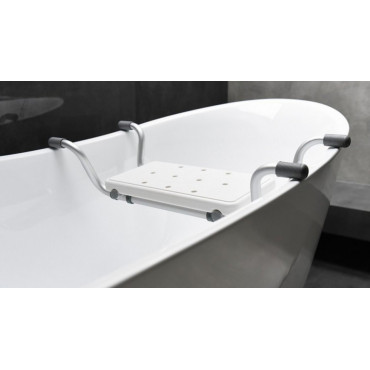
Set up a safe bathing area for daily hygiene. A shower chair, grab bars, or a commode chair can help reduce physical strain on the patient, as well as on family members or caregivers.
Maintain Physical Activity
Following a doctor’s recommendations, it is advisable to incorporate manageable physical exercises, walks, and balance-maintenance activities into the daily routine. One should not completely restrict a person’s mobility simply out of fear of falling; instead, physical activity should be adapted to the individual's capabilities.
What Care Equipment Is Needed at Home for Parkinson’s Disease?
Carefully selected equipment—tailored to the patient's specific condition—can make daily life more comfortable, help preserve independence, and ease the workload for the caregiver.
Consider the following items:
- Canes, walkers, and rollators to help maintain balance when moving around the home or traveling short distances outdoors.
- A wheelchair, for longer outings such as trips to a store, a hospital, or other locations.
- A commode chair or shower chair to facilitate hygiene if the person has difficulty standing for long periods or to reach the bathroom independently.
- Grab bars and supports to facilitate standing up and moving around in the bathroom and near the toilet.
In the MED1 online store catalog, you can find high-quality rehabilitation and care products that have received positive feedback from users and proven their effectiveness.
Parkinson’s disease gradually alters a person’s daily life, but properly organized care helps maintain their independence and comfort for longer.