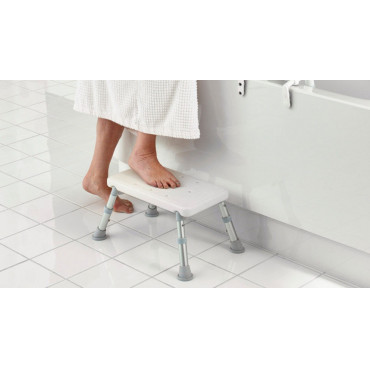
With age, ordinary household procedures may require significantly more strength than before. Even if a person moves independently, periodic weakness, dizziness, reduced endurance or joint pain can make bathing difficult. Staying in the bath, where you need to sit down, keep your balance, get up and get out of it, requires a lot of physical effort.
In such situations, it is important not to wait for the moment when it becomes difficult for a person to use the bathroom independently. Auxiliary devices allow you to make water procedures more comfortable and safer in advance. One such solution is a bathroom seat — a practical tool that helps to perform hygienic procedures while sitting and reduces the load on the legs.
Why does an elderly person need a bath seat
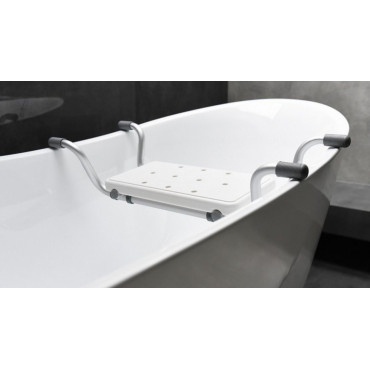
The bathtub seat makes it possible to take a shower or perform hygiene procedures while sitting. This is especially relevant in periods when a person gets tired quickly or feels general weakness.
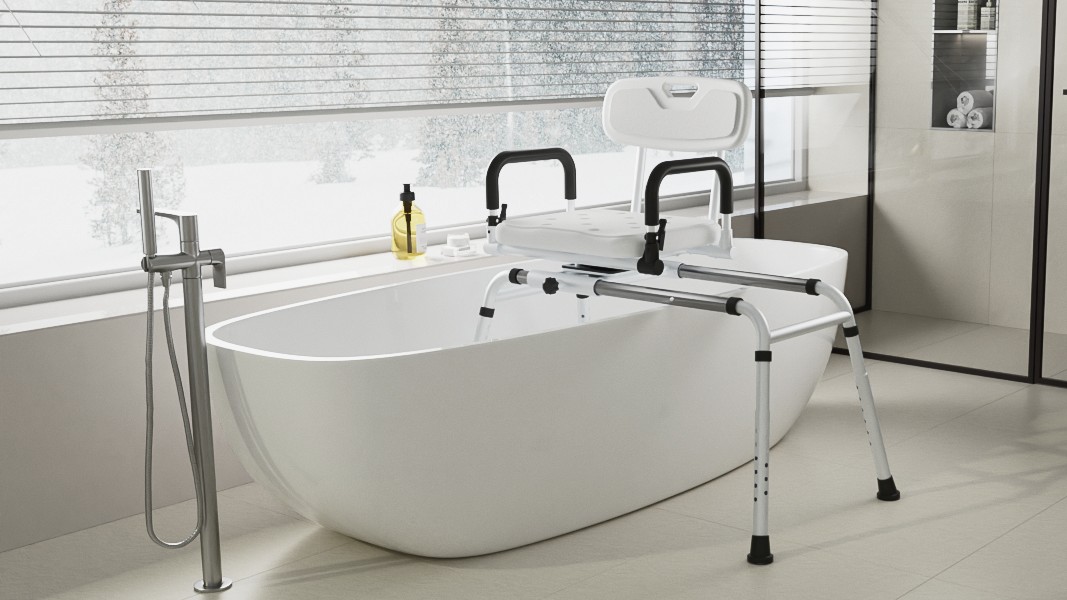
You don't need to stand on your feet for a long time while bathing. A person can sit on a special device, reducing the load on the legs and joints. This helps to preserve more strength and take your time when performing hygienic procedures.
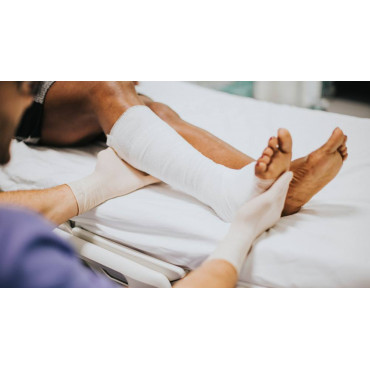
By the way, such a solution can be useful not only for the elderly. Bathing seats are also used during the recovery period after illnesses, injuries or operations, when the usual standing bathing becomes physically difficult.
Elderly Bathroom Safety
The bathroom is one of the rooms where it is especially important to take care of the safety of an elderly person. Water and wet surfaces can make the floor slippery, and trying to climb or bend suddenly can cause you to lose your balance.
Sitting in the bath allows you to perform most of the procedure in a sitting position. A person does not need to constantly stand on a wet surface, and therefore, the number of situations in which he can lose his balance decreases.
At the same time, the seat itself does not eliminate all risks. For additional safety, you should take care of a non-slip mat, sufficient lighting, convenient location of hygiene products and, if necessary, handrails.
Who should use a bath seat
The need for such an adaptation depends not so much on age as on a person's physical condition. A bath seat for the elderly can be especially useful if:
- a person quickly gets tired while standing;
- there is weakness or dizziness;
- there is pain in the knees, hip or other joints;
- after an illness or injury, it is difficult to stay on your feet for a long time;
- it is difficult for a person to get into and out of the bath independently;
- decreased confidence when moving around in the bathroom.
It is important to consider psychological comfort. Some elderly people perceive assistive devices as a sign of loss of independence and are therefore in no hurry to use them. In fact, a chair or a special bath seat can, on the contrary, help to maintain the ability to perform daily hygiene procedures independently.
What to pay attention to before buying
Before buying a seat for a bath, you need to take into account not only the age and physical condition of the user, but also the features of the bathroom itself. An incorrectly selected model may be inconvenient or incompatible with a particular bath.
When choosing, it is worth checking:
- construction type — the seat may have a back, armrests or other supporting elements;
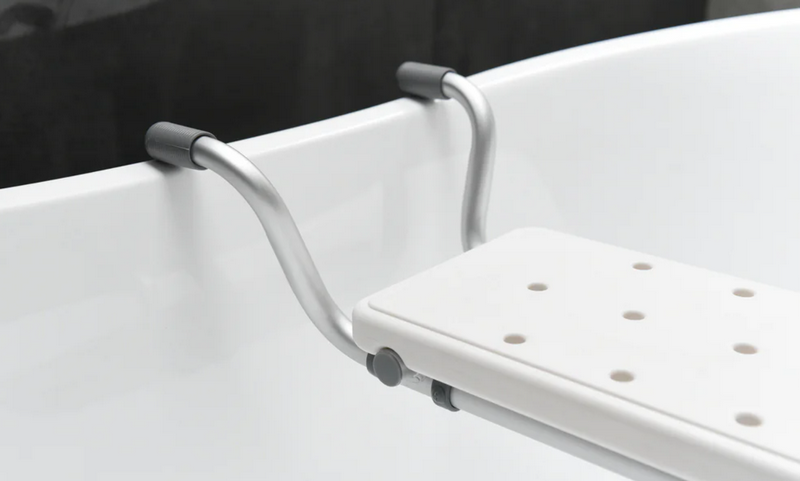
- installation method — it is important that the model is securely fixed and corresponds to the design of the bathtub;
- sizes — the seat should not interfere with using the bathroom or create difficulties during transplantation;
- allowable load — it should correspond to the weight of the user with a sufficient margin;
- material and surface — it is desirable that they are resistant to moisture and easy to care for;
- user convenience — it should be comfortable for a person to sit down, sit down and get up from it.
If an elderly person has significant mobility difficulties or needs assistance, it is better to approach the choice individually. In this case, it is important to evaluate not only the seat itself, but also the general arrangement of the bathroom.
What aids may be needed in the bathroom
The bathroom seat often becomes just one element of a safe space. Depending on the needs of the person, other means can be used in addition to help reduce the risk of falling and facilitate daily procedures.
For example, handrails provide additional support when moving, and non-slip mats help...to make the floor safer. For individuals who find it difficult to bend down, specialized personal care accessories mounted at a convenient height can be very useful.
At the MED1 medical equipment store, you can select various products to outfit a bathroom with the specific needs of the elderly and those with limited mobility in mind. This allows for a comprehensive approach to organizing the space, rather than relying on just a single assistive device.