Pressure ulcers (bedsores) are among the most common issues encountered when caring for individuals confined to bed for extended periods due to illness. They cause pain, hinder rehabilitation, and can lead to serious infections. To reduce the risk of their development, it is essential not only to maintain proper skin care but also to use specialized medical products in a timely manner. For instance, an anti-bedsore mattress helps redistribute pressure on the body and plays a crucial role in both the prevention and comprehensive treatment of pressure ulcers.
What are pressure ulcers and why do they occur?
Pressure ulcers are localized injuries to the skin and underlying tissues that typically develop over bony prominences. They most frequently form in areas such as the sacrum, heels, hips, elbows, and shoulder blades.
The primary cause of pressure ulcers is prolonged pressure on a specific area of the body, which impairs blood supply to the tissues. Additional risk factors include friction, shearing (sliding across the bed surface), excessive skin moisture, and poor nutrition.
Individuals at particular risk include stroke survivors and patients with neurological disorders, severe chronic illnesses, or limited mobility. If a person cannot change their body position independently, even a standard mattress may fail to provide adequate pressure distribution.
Stages of pressure ulcer development
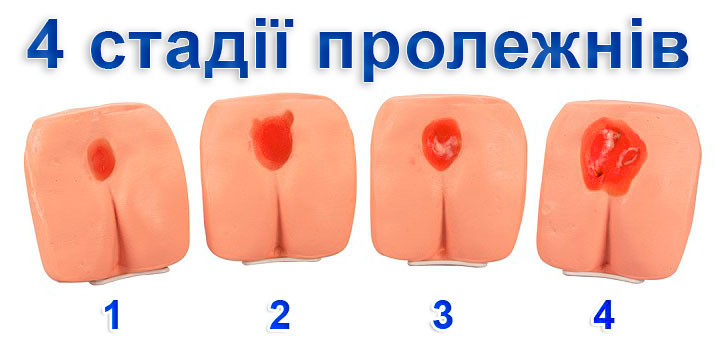
According to international classification, there are four main stages of pressure-related injury:
- Stage I. The skin remains intact, but persistent redness or discoloration appears that does not fade after the pressure is removed. Pain, increased temperature, or hardening of the area may occur.
- Stage II. Partial-thickness skin loss occurs. A superficial open wound or a blister may form.
- Stage III. Full-thickness skin loss occurs, and the damage extends into the subcutaneous fat tissue.
- Stage IV. Deep tissue damage, potentially exposing muscle, tendon, or bone.
- Deep tissue injuries are classified separately; they may initially present as dark red or purple discoloration or as a blister. There are also wounds that cannot be staged due to the presence of necrotic tissue.
It is important for caregivers not to wait for an open wound to appear. Early detection of skin changes and immediate relief of pressure help prevent further damage.
Modern Protocol for Treating Pressure Ulcers
Treatment for pressure ulcers is tailored to the individual, taking into account the stage of the ulcer, its location, the patient's general condition, and any co-existing medical conditions. The modern treatment approach involves a comprehensive set of measures.
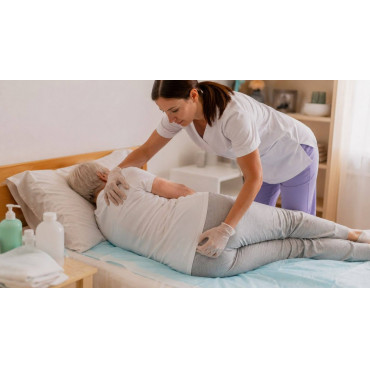
- Relieving pressure on the affected area. It is essential to change body position regularly, use pillows and special supports, and avoid prolonged pressure on the already damaged area. The frequency of repositioning is determined individually based on skin condition, the person's mobility, and the type of mattress.
For severely ill patients, a medical bed with a lateral turning function may be used. - Wound assessment and care. A healthcare professional assesses the size, depth, and condition of the surrounding skin, as well as the presence of any discharge. Appropriate solutions are used for cleansing, while modern dressings that maintain an optimal moist environment are used to protect the wound. If necrotic tissue is present, the doctor may recommend its removal.
- Infection control. Increased pain, spreading redness, purulent discharge, an unpleasant odor, or a fever require medical evaluation. Antibiotics are prescribed based on clinical indications—specifically the presence of an infection—rather than solely due to a positive wound culture result.
- Adequate nutrition and hydration. Tissue repair requires sufficient protein, energy, fluids, and micronutrients. Professional consultation is required if signs of malnutrition are present.
- Ongoing skin monitoring. High-risk areas are inspected regularly; changes are documented, and the care plan is adjusted accordingly. Massaging or rubbing reddened areas is not recommended, as this can cause further tissue trauma.
Pressure-relieving mattresses: their role in treatment and prevention
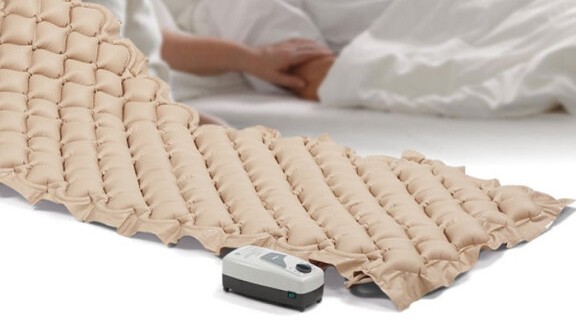
A key element of modern care is the pressure-relieving mattress. It helps distribute weight across different parts of the body, reduces localized pressure, and—in certain models—helps regulate moisture and temperature at the skin's surface.
Specialized pressure-redistributing mattresses are recommended for the prevention of pressure ulcers in high-risk individuals. If a pressure ulcer has already developed, such a mattress complements the treatment but does not replace the need for repositioning, wound care, and other medical interventions.
Based on their operating mechanism, there are two main types:
- High-specification foam mattresses. They distribute pressure more evenly thanks to material that adapts to body contours.
- Cellular and tubular air mattresses with a compressor. They alternate pressure in the air sections, reducing the duration of continuous pressure on specific areas.
The choice depends on the patient's body weight, mobility, skin condition, existing wounds, and ability to change position independently. Not everyone requires a model with a compressor: for some patients, a high-quality foam mattress suffices, while others need a dynamic system.
The choice depends on the patient's body weight, mobility, skin condition, existing wounds, and ability to change position independently. Not everyone requires a model with a compressor: for some patients, a high-quality foam mattress suffices, while others need a dynamic system.
To purchase an anti-bedsore mattress that meets the patient's needs, it is essential to consider their weight, mobility level, and risk of skin damage.
What do studies show?
International clinical guidelines from NPIAP, EPUAP, and PPPIA—updated in the fourth edition (2025–2026)—identify specialized support surfaces as a crucial component in the prevention of pressure injuries. The guidelines recommend selecting a pressure-redistributing surface based on the patient's individual risk and needs.
NICE recommendations also advise using high-specification foam mattresses for adults at high risk of pressure ulcers and for patients who have already developed them. If such a surface does not provide sufficient pressure redistribution, a dynamic system should be considered.
The best results are achieved through comprehensive care that combines an appropriate surface with regular repositioning and skin monitoring.
How can pressure ulcers be prevented at home?
Prevention measures should begin as soon as a person loses the ability to move independently on a regular basis. There is no need to wait for redness or the first signs of skin damage to appear.
Check the skin, keep it clean and dry, change damp bedding promptly, ensure adequate nutrition, and assist the person with repositioning. Pay special attention to the heels and the sacral area.
If a loved one is bedridden for an extended period, it is advisable to arrange for the necessary supplies for bedridden patients in advance.
An anti-bedsore mattress is, first and foremost, an investment in prevention. Its timely use helps reduce tissue strain, ensure patient comfort, and complement the comprehensive measures required for the safe care of a bedridden patient.